
Dark spots and hyperpigmentation affect millions of people worldwide, whether caused by sun exposure, acne scars, or natural skin variation. The good news? Modern skincare science has evolved dramatically, offering evidence-based solutions that work with your skin's natural biology rather than against it. In 2026, the most effective approach combines topical treatments with internal nutritional support—creating a comprehensive strategy that addresses pigmentation from the inside out. This guide explores the products and routines that are transforming how people achieve a clearer, more radiant complexion.
Quick Answer
The most effective approach to dark spots combines a vitamin C serum applied topically each morning to inhibit melanin production, paired with internal antioxidant support from vitamin C supplements. Look for serums with stabilised vitamin C concentrations of 10–20%, applied consistently over 8–12 weeks for visible results. Sunscreen (SPF 30+) is non-negotiable, as UV exposure darkens existing spots and creates new ones.
Get Personalised Dark Spot Assessment With SkinCheck
Not sure if your dark spots are age spots, post-inflammatory hyperpigmentation, or melasma? Use Farmasi's SkinCheck AI tool to analyse your skin concerns, identify the likely cause of your hyperpigmentation, and receive personalised product recommendations tailored to your specific pigmentation pattern. This intelligent assessment takes the guesswork out of skincare and helps you choose the most effective routine for your unique skin.
03 - Smart Skin Diagnosis
Know Your Skin.
Transform Your Routine.
Farmasi's AI skin scanner analyses your skin type, hydration levels, concerns and more, then recommends the exact Dr. C. Tuna products your skin needs.
- 15+ skin parameters analysed
- Dr. C. Tuna product matching
- 100% private - no data stored
Why Dark Spots Form and How to Address Them
Dark spots and hyperpigmentation occur when melanin—the pigment responsible for skin colour—becomes unevenly distributed or overproduced in specific areas. This typically happens in response to sun damage, inflammation from acne, hormonal shifts, or natural aging. Understanding this process is essential because it reveals why prevention and consistency matter more than quick fixes.
Melanin production is triggered by UV exposure and inflammatory signals in the skin. When these stimuli are repetitive or intense, your skin's melanocytes (pigment-producing cells) overproduce melanin in localised patches. Vitamin C works by interrupting the enzyme responsible for melanin synthesis—tyrosinase—while simultaneously providing antioxidant protection that prevents future damage. The result is a dual action: fading existing spots while preventing new ones from forming.
The science shows that combining topical vitamin C with systemic antioxidant support (via oral supplements) amplifies results. When your body has abundant vitamin C circulating internally, it supports collagen renewal and skin barrier function—both critical for even tone. This is why the most successful routines address pigmentation on two levels: external correction and internal resilience.
Who Benefits Most From This Routine
This vitamin C-focused routine works best for people with mild to moderate dark spots, post-inflammatory hyperpigmentation from acne, or sun-induced age spots. If you have melasma (a deeper form of hormonal hyperpigmentation) or severe pigmentation issues, consult a dermatologist first—though this routine still supports your skin during professional treatments.
The routine is equally effective for all skin tones, though darker skin types may see results more gradually due to higher baseline melanin levels. Consistency is more important than speed; expect 8–12 weeks to notice meaningful fading, and 6 months for near-complete resolution of older spots.
You'll also benefit if you want to prevent future dark spots, as this routine builds your skin's resilience against UV damage and inflammation. It's ideal for anyone seeking a clean, science-backed approach without harsh actives or invasive procedures.
The Power of Stabilised Vitamin C for Pigmentation
Vitamin C is the gold standard for dark spot treatment because it works on multiple biological pathways simultaneously. It inhibits tyrosinase activity, the enzyme that creates melanin. It also brightens existing pigment by promoting cell turnover and collagen renewal, helping your skin shed darkened cells more efficiently. Beyond pigmentation, it strengthens your skin barrier and provides potent antioxidant defence against the free radicals that accelerate aging and spot formation.
The challenge with vitamin C is stability; standard vitamin C (ascorbic acid) oxidises quickly when exposed to air, heat, or light, losing effectiveness. Modern formulations use stabilised derivatives or encapsulation technology to preserve potency. The most effective concentrations range from 10–20%, applied consistently every morning. When combined with a complementary routine that includes internal antioxidant support, the results are transformative.
Step 1 — Brighten Uneven Tone With Vitamin C
Your skin's melanin production responds directly to environmental stressors—UV exposure, free radical damage, and inflammatory signals. When these stressors hit, your melanocytes shift into overdrive, depositing concentrated melanin in patches. Vitamin C interrupts this cascade at the enzymatic level, blocking tyrosinase before melanin can form. Additionally, vitamin C stimulates collagen synthesis and accelerates cellular turnover, helping your skin shed darkened surface cells and reveal fresher, more radiant skin beneath.
The ideal product for this step should deliver stabilised vitamin C at a concentration proven effective (10–20%), in a lightweight formula that absorbs quickly without irritation. It should also include complementary antioxidants—such as hyaluronic acid for hydration support—and be housed in opaque, airtight packaging to maintain potency throughout its shelf life.
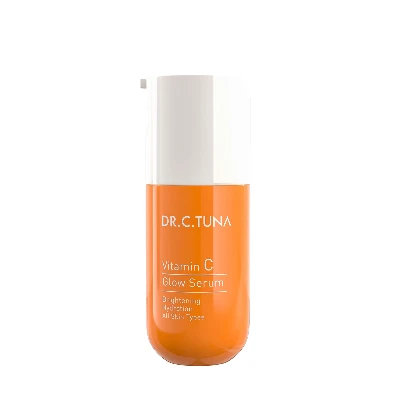
Dr. C. Tuna Vitamin C Glow Serum, with its stabilised vitamin C complex and skin-brightening botanicals, is the ideal first step for addressing dark spots and revealing a luminous, even complexion.
Skincare
£33.38
Step 2 — Support Skin Health From Within With Multivitamin Nutrition
Skin health depends on internal nutrient status just as much as external products. Your skin cells require a complete spectrum of vitamins and minerals to function optimally—from repairing UV damage to synthesising healthy collagen that keeps skin firm and even-toned. When you're deficient in key nutrients like B vitamins, zinc, and biotin, your skin's ability to heal, renew, and maintain barrier integrity suffers. This is why hyperpigmentation often worsens in people with nutritional gaps; their skin lacks the raw materials to turn over cells efficiently or mount an effective inflammatory response.
A comprehensive multivitamin complex provides the nutritional foundation that topical treatments depend on. It supports your skin's natural healing processes, strengthens your immune barrier, and supplies the cofactors your cells need to produce healthy collagen and elastin. When paired with a vitamin C serum, internal nutrition amplifies results because your skin has both the external brightening agent and the internal resources to repair and renew.
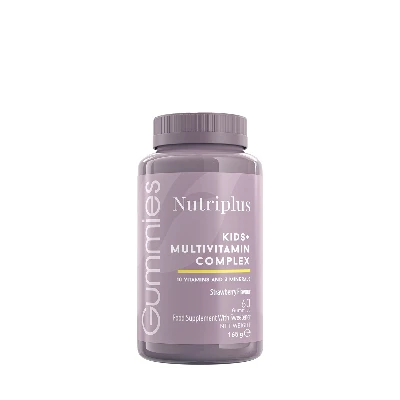
Nutripluss Gummies—Multivitamin Complex for Kids, formulated with essential B vitamins, biotin, and immune-supporting nutrients, is the ideal nutritional foundation for supporting your skin's natural repair and renewal process throughout the day.
Nutriplus
£24.48
Step 3 — Boost Antioxidant Defence With Targeted Vitamin C Supplementation
While topical vitamin C brightens spots, systemic vitamin C circulating in your bloodstream provides internal antioxidant protection that prevents future damage. When you ingest vitamin C, your body distributes it to every cell, where it neutralises free radicals caused by sun exposure, pollution, and metabolic stress. This internal antioxidant barrier is especially important for hyperpigmentation, because UV-induced free radical damage triggers melanin overproduction in the first place. By supplementing with bioavailable vitamin C, you're essentially armouring your skin from the inside.
Oral vitamin C also supports collagen cross-linking and tissue repair—both essential for fading scars and evening out skin texture. The most effective supplemental forms include effervescent tablets, which offer rapid absorption and consistent dosing. When taken daily, they create a synergistic effect with your topical vitamin C serum, accelerating visible brightening and preventing recurrence.
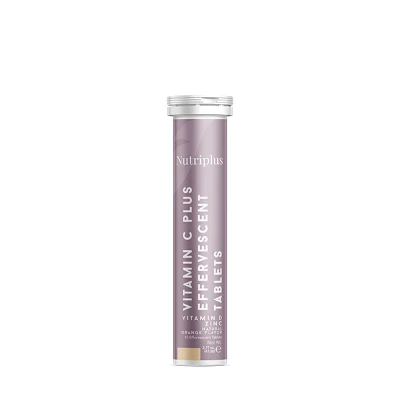
Nutripluss Vitamin C Effervescent Tablets, with their highly absorbable vitamin C formula and convenient daily dosing, are the ideal internal antioxidant boost for supporting your skin's defence against future pigmentation and accelerating the brightening effects of your topical routine.
Nutriplus
£13.35
Your Complete Vitamin C Routine at a Glance
- ☀️ Morning — Apply Dr. C. Tuna Vitamin C Glow Serum after cleansing, follow with moisturiser and SPF 30+
- 🌙 Evening — Cleanse gently, apply vitamin C serum, and follow with your regular night moisturiser
- Daily — Take Nutriplus Gummies (multivitamin) with breakfast for foundational skin nutrition
- Daily — Dissolve Nutriplus Vitamin C Effervescent Tablets in water (mid-morning or early afternoon) for systemic antioxidant support
- Weekly — Ensure consistent sun protection; reapply SPF every 2 hours during outdoor activities
- Monthly — Assess progress; dark spots typically begin fading after 4–6 weeks of consistent use
- Every 8–12 Weeks — Expect visible lightening of established spots and prevention of new ones
The Complete Vitamin C Collection
Frequently Asked Questions About Dark Spots and Vitamin C
How long does it take to see results from vitamin C for dark spots?
Most people notice initial lightening after 4–6 weeks of consistent daily use, with more dramatic fading at 8–12 weeks. Older spots (more than 2 years old) may take 6 months to fade significantly. Consistency is crucial; skipping days resets your progress. Results depend on spot depth, age, and skin type—darker skin may see results slightly more slowly due to higher melanin baseline.
Can I use vitamin C serum with other actives like retinol or niacinamide?
Yes, vitamin C pairs well with niacinamide (actually synergistic for brightening) and can be used alongside retinol if applied in separate routines—vitamin C in the morning, retinol at night. Avoid combining vitamin C with alpha hydroxy acids (AHAs) or benzoyl peroxide in the same application, as these can reduce each other's effectiveness or cause irritation.
Is sunscreen truly necessary when using vitamin C for dark spots?
Absolutely. SPF 30+ is non-negotiable, as UV exposure darkens existing spots and creates new ones—essentially undoing your treatment progress. Even on cloudy days, UV rays penetrate and trigger melanin overproduction. Reapply every 2 hours if you're outdoors. Without sunscreen, a vitamin C routine achieves only 30–40% of its potential.
Will dark spots return if I stop using vitamin C?
Once spots have fully faded, they typically remain lightened if you maintain sun protection and continue the multivitamin + vitamin C supplement routine (at minimum). If you abandon all sun protection and internal antioxidant support, new spots may form, but previously faded spots rarely darken to their original intensity.
Can this routine work for melasma or deep hormonal pigmentation?
This routine can support melasma management, but deep hormonal hyperpigmentation often requires professional treatments (laser, chemical peels) alongside topical and internal care. Consult a dermatologist to rule out deeper pigmentation conditions before relying solely on vitamin C serum. This routine works best for age spots, sun spots, and post-inflammatory hyperpigmentation.
Discussion