
Acne-prone skin requires a thoughtful, multi-step approach that addresses excess sebum, bacterial activity, and inflammation without compromising your skin barrier. Tea tree oil has been used in traditional skincare for centuries, and modern science continues to validate its benefits for congested, breakout-prone complexions. In this guide, we'll walk you through a complete tea tree skincare routine—from cleansing to targeted treatments—that works with your skin's natural biology to reduce breakouts and restore balance.
Quick Answer
A complete tea tree skincare routine for acne-prone skin includes gentle cleansing, balancing toning, targeted treatment serums, and non-comedogenic moisturisation. The key is layering complementary products in the right order—cleanse first to remove impurities, apply toner to balance pH, use targeted treatments to address breakouts, and seal with lightweight hydration. Consistency over 4–6 weeks typically shows visible results.
Personalise Your Routine With Skin Check
Not sure which routine works best for your specific acne concerns? Use Farmasi's Skin Check tool to assess your skin type, breakout patterns, and sensitivity levels. Answer a few simple questions about your skin's current state—dryness, oiliness, inflammation, and breakout location—and receive personalised product recommendations tailored to your unique needs. Skin Check takes the guesswork out of routine-building and helps you prioritise which steps matter most for your skin right now.
03 - Smart Skin Diagnosis
Know Your Skin.
Transform Your Routine.
Farmasi's AI skin scanner analyses your skin type, hydration levels, concerns and more, then recommends the exact Dr. C. Tuna products your skin needs.
- 15+ skin parameters analysed
- Dr. C. Tuna product matching
- 100% private - no data stored
Why Tea Tree Works for Acne-Prone Skin
Tea tree oil contains natural compounds—particularly terpineol and cineole—that may help support your skin's natural defence against bacteria associated with acne. Unlike harsher acne treatments that strip the skin, tea tree formulas can work with your skin's barrier function, reducing irritation while addressing congestion and excess sebum production. The key advantage of tea tree is its gentleness: it doesn't disrupt the delicate pH balance your skin needs to maintain a healthy microbiome. When combined in a thoughtful routine with complementary steps like toning and hydration, tea tree products become part of a holistic approach to skin clarity—not a standalone quick fix.
Who This Routine Is For
This tea tree routine is designed for anyone with acne-prone, oily, or congestion-prone skin who wants to reduce breakouts without resorting to harsh actives or prescription treatments. If your skin is sensitive, reactive, or recovering from over-exfoliation, the gentle yet effective formulation of this series makes it suitable for gradual incorporation into your existing routine. This routine also works well if you experience hormonal breakouts, inflammatory acne, or persistent congestion in the T-zone. The multi-step approach ensures that while you're targeting blemishes, you're also maintaining hydration and barrier health—two essentials that acne-prone skin often sacrifices in pursuit of clarity.
The Science of a Balanced Acne Routine
Acne-prone skin faces a unique challenge: it needs deep cleansing to remove excess sebum and impurities, yet it also needs consistent hydration to prevent the barrier from becoming compromised and reactive. A broken barrier often leads to increased inflammation, sensitivity, and paradoxically, more breakouts. This is why modern acne routines no longer rely on aggressive stripping—instead, they use targeted cleansing, pH-balancing toning, and strategic moisturisation to support skin health. The routine you're about to learn follows this principle: each step prepares your skin for the next, so treatments penetrate better, actives work more effectively, and your skin becomes less reactive over time. When acne-prone skin is well-supported, it naturally produces less excess sebum and becomes more resilient to breakout triggers.
Step 1 — Cleanse Away Impurities Without Stripping
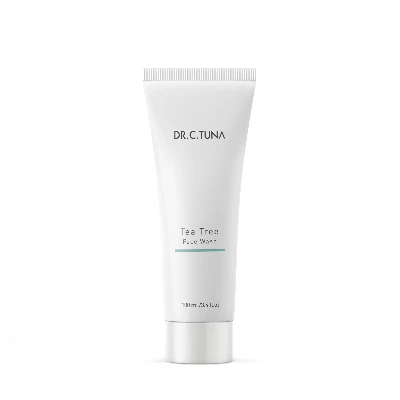
The foundation of any acne routine is cleansing, but not all cleansers are equal for breakout-prone skin. Your skin produces sebum to protect itself, and over-stripping this natural oil triggers the skin to produce even more—a vicious cycle that worsens congestion and breakouts. A gentle, plant-derived cleanser that removes impurities and excess sebum without disrupting your skin's acid mantle is essential. Look for formulas that contain natural clarifying ingredients like tea tree, which can support your skin's natural cleansing process while maintaining the pH and microbial balance your barrier depends on. Dr. C. Tuna Tea Tree Face Wash, with its balancing tea tree formula, is the ideal gentle cleanser for acne-prone skin—it removes daily impurities and excess sebum without the harshness that leads to irritation and reactive breakouts.
Skincare
£7.57
Step 2 — Tone to Restore pH and Prep for Actives
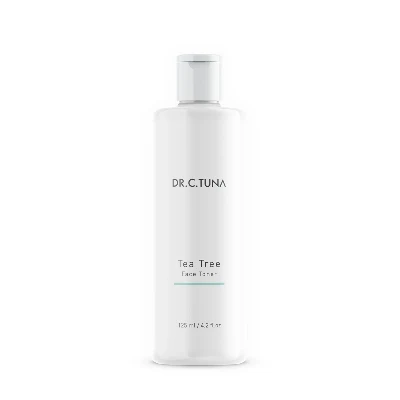
After cleansing, your skin's pH sits slightly higher than its ideal range (around 5.5). This temporary alkalinity can trigger increased sebum production and reduce your skin's natural antimicrobial defences—two factors that worsen acne. Toning isn't a luxury step; it's a biological necessity that rebalances your skin's acid mantle and prepares it to absorb treatment serums more effectively. A tea tree toner should feel hydrating, not astringent, because over-drying acne-prone skin creates inflammation and barrier stress. The ideal toner for this step gently restores pH, delivers soothing botanical actives, and preps your skin to receive the benefits of whatever treatment you apply next. Dr. C. Tuna Tea Tree Face Toner, with its pH-balancing and clarifying formula, is the ideal next step for acne-prone skin—it restores your skin's natural protective environment while preparing it to absorb targeted treatments.
Skincare
£7.57
Step 3 — Apply Targeted Serum to Address Active Breakouts
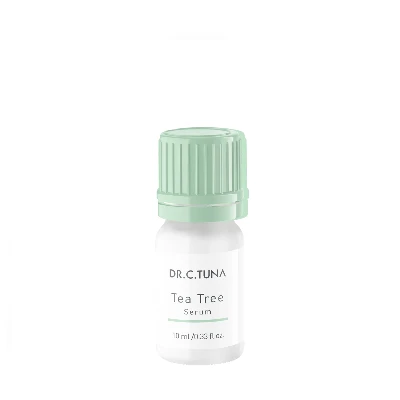
Once your skin is cleansed and pH-balanced, it's primed to absorb active treatment serums. A serum works deeper than surface moisturisers because of its lightweight molecular structure—it penetrates the epidermis to deliver concentrated actives directly where breakout bacteria thrive. For acne-prone skin, a serum should contain clarifying botanicals like tea tree, which can support your skin's natural defence against breakout-causing bacteria, without the irritation of harsher chemical actives. The serum step is where you address existing congestion, active inflammation, and early-stage breakouts with precision. A lightweight, fast-absorbing serum formulated with tea tree is the ideal treatment layer for acne-prone skin—it targets breakouts at the source while remaining gentle enough for daily use.
Skincare
£9.79
Step 4 — Restore Hydration Without Clogging Pores
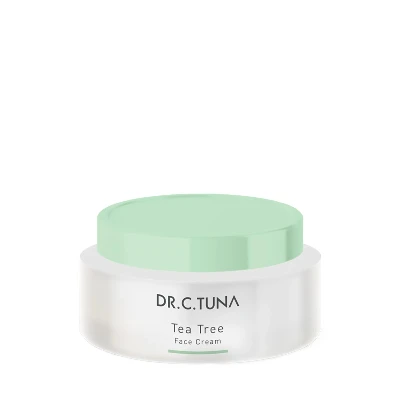
The most overlooked step in acne routines is proper moisturisation, and it's often the reason acne-prone skin remains inflamed and reactive. When your barrier lacks hydration, your skin compensates by producing excess sebum—which clogs pores and triggers more breakouts. A non-comedogenic face cream is essential: it must provide water-binding hydration without occlusive oils that suffocate acne-prone skin. For this step, look for lightweight creams that include soothing, barrier-supporting ingredients like tea tree and botanical extracts, which calm inflammation while your skin absorbs hydration. Dr. C. Tuna Tea Tree Face Cream, with its balancing hydration formula, is the ideal moisturiser for acne-prone skin—it delivers essential hydration while maintaining clarity and preventing the barrier stress that triggers breakouts.
Skincare
£9.79
Step 5 — Nourish with a Calming Balsam for Barrier Recovery
A balsam is a concentrated, rich treatment designed to seal and nourish your skin's barrier—especially important when acne-prone skin has been irritated or treated with actives. Think of a balsam as an intensive hydration and repair layer that goes deeper than a standard cream, delivering botanical actives and lipids that support your skin's recovery overnight or during high-stress periods. For acne-prone skin, a balsam prevents the tight, reactive sensation that leads to over-production of sebum and irritation-triggered breakouts. The ideal balsam for acne-prone skin contains tea tree and calming botanicals that support barrier healing without leaving a heavy residue that clogs pores. Dr. C. Tuna Tea Tree Cream Balsam, with its nourishing and clarifying formula, is the ideal intensive step for acne-prone skin—it seals hydration while supporting your skin's natural recovery and resilience.
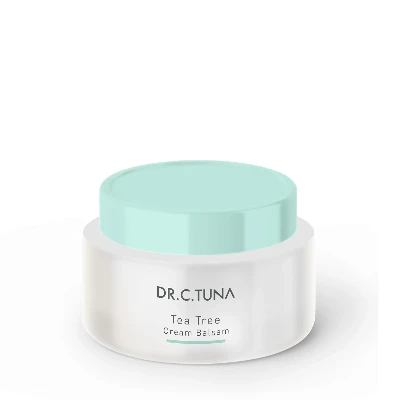
Skincare
£12.02
Step 6 — Patch Test and Customise with the Tester
Before committing to a full-size product, acne-prone skin benefits greatly from patch testing—especially if your skin is sensitive or reactive to new ingredients. A tester format allows you to introduce one product at a time, monitor your skin's response over several days, and ensure you're not adding unnecessary triggers to your routine. This careful approach is particularly valuable if you're combining multiple tea tree products, as you want to observe how your skin responds to the series gradually. The ideal approach is to introduce products one week at a time: cleanse with the new product for seven days, observe for irritation or dryness, then add the next step. Dr. C. Tuna Tea Tree Tester, with its balanced formula, is the ideal way to begin your tea tree journey—it lets you experience the series' clarifying benefits while minimising the risk of introducing a product your skin isn't ready for.
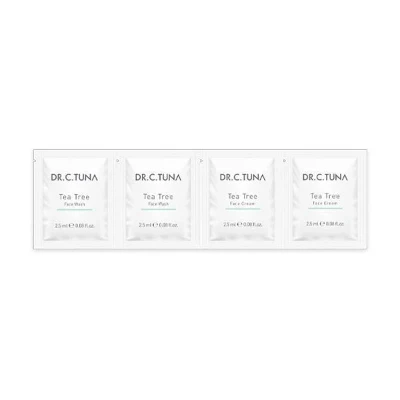
Skincare
£1.56
Your Complete Tea Tree Routine at a Glance
- ☀️ Morning — Cleanse with Face Wash → Tone → Apply Serum → Moisturise with Face Cream
- 🌙 Evening — Cleanse with Face Wash → Tone → Apply Serum → Seal with Balsam
- Weekly — Skip the Serum 1–2 nights per week to prevent over-treatment if you have very sensitive skin
- Every 2 Weeks — Assess your skin's response and adjust frequency based on clarity and comfort
- Consistency — Results typically appear after 4–6 weeks of daily use; acne-prone skin responds best to steady routines rather than sporadic treatment
The Complete Tea Tree Collection
Frequently Asked Questions About Tea Tree Routines for Acne
How long does it take to see results from a tea tree routine?
Most people notice improved clarity and reduced breakout frequency after 4–6 weeks of consistent daily use. Acne-prone skin responds best to steady routines rather than sporadic treatment. Superficial congestion may clear sooner, while deeper cystic breakouts may take 8–12 weeks to fully resolve. Consistency is more important than intensity—using the routine every day matters more than skipping days or applying products haphazardly.
Can I use tea tree products if I'm also using other acne treatments like benzoyl peroxide or salicylic acid?
Tea tree can complement other acne treatments, but it's important to introduce them gradually and monitor for irritation. If you're already using prescription acne medications or strong actives, start with the tea tree cleanser and toner only, then add serum and balsam slowly over several weeks. If you experience dryness, redness, or sensitivity, skip the serum step temporarily or reduce frequency. Always consult a dermatologist before combining multiple active treatments.
Is tea tree safe for sensitive or reactive skin?
Tea tree is generally gentler than chemical actives, but some people's skin is reactive to it. This is why patch testing is crucial—use the Tester format first, apply a small amount to your inner arm or behind your ear, and wait 24–48 hours to check for irritation. If your skin tolerates it well, introduce it into your routine one product at a time. If you experience itching, burning, or rash, discontinue and consult a dermatologist.
Can I use this routine if I have combination skin with acne only in certain areas?
Yes, you can use a targeted approach. Apply the cleanser and toner to your entire face, then use the serum and balsam only on acne-prone areas (like the T-zone or jawline) while using a gentler, hydrating moisturiser on dry areas. This prevents over-treating your entire face and allows you to customise based on your skin's specific needs. Many people with combination skin find this mixed approach most effective.
Should I use tea tree products every day or only a few times a week?
For most acne-prone skin types, daily use of the cleanser, toner, and moisturiser is safe and recommended. The serum and balsam can be used daily, but if your skin becomes dry or irritated, reduce to 4–5 times per week. Listen to your skin—if it feels tight, itchy, or reactive, dial back to every other day and reassess. Once your skin adapts (usually after 2–3 weeks), you can gradually return to daily use if desired.
Discussion