
Uneven skin tone is one of the most common skincare concerns — and one of the most gradual to both develop and improve. It rarely comes from one single cause; sun exposure, natural ageing, and marks left behind by old blemishes all contribute to the same patchy, dull-looking result over time. The good news is that a consistent, targeted routine can make a real, visible difference within weeks. This guide covers why uneven tone and dullness happen, what's genuinely worth looking for in a brightening routine, and how the Dr. C. Tuna Lumi Radiance range — cleanser through to eye care — fits together as one simple daily routine.
Quick Answer
Dark spots, dullness and uneven skin tone come from a mix of past sun exposure, natural ageing, and marks left behind by old blemishes — the skin's pigment-producing cells overreact in some areas and underreact in others. There's no overnight fix, but a consistent routine with brightening-focused ingredients (used alongside daily sun protection) can visibly even out tone and restore radiance within 4 to 8 weeks. The Dr. C. Tuna Lumi Radiance range is built specifically around this routine.
Not Sure What's Actually Going On With Your Skin?
Dullness, dryness and pigmentation can look similar at a glance but call for different care. Our AI Skin Check reads your skin in under two minutes and points you toward the routine that actually fits.
03 - Smart Skin Diagnosis
Know Your Skin.
Transform Your Routine.
Farmasi's AI skin scanner analyses your skin type, hydration levels, concerns and more, then recommends the exact Dr. C. Tuna products your skin needs.
- 15+ skin parameters analysed
- Dr. C. Tuna product matching
- 100% private - no data stored
What Causes Dark Spots, Dullness and Uneven Tone?
Skin tone becomes uneven when melanin — the pigment that gives skin its colour — is produced unevenly across the face. Sun exposure is the single biggest trigger: UV light stimulates extra melanin production wherever skin has been repeatedly exposed, which is why dark spots often appear on the cheeks, forehead and hands first. Marks left behind after a blemish heals (post-inflammatory hyperpigmentation) work the same way on a smaller scale. Dullness is a separate but related concern — it's less about pigment and more about a slower cell turnover rate, which leaves a layer of older, duller-looking skin cells sitting on the surface for longer than they should.
Sun Exposure, Ageing and Blemish Marks — the Three Main Triggers
Sun exposure: even a few minutes of daily incidental sun (walking to the car, sitting near a window) adds up over years and is the most preventable cause of uneven tone.
Ageing: cell turnover naturally slows with age, which is part of why dullness and unevenness tend to become more noticeable over time even without any change in sun habits.
Post-blemish marks: a mark left behind after a spot heals can take months to fade on its own — targeted brightening ingredients help that process along rather than just waiting it out.
The Science: What to Look for in a Brightening Routine
A few ingredient categories are consistently discussed for skin tone and radiance. Vitamin C and other antioxidants help defend skin against the everyday environmental stress that contributes to uneven tone over time. Gentle exfoliating and toning ingredients support the skin's own cell turnover, helping duller surface cells clear more efficiently. And hydrating ingredients matter more than people expect here too — well-hydrated skin simply reflects light more evenly, which reads as "brighter" even before any change in pigment. None of this replaces daily sun protection, which remains the single most effective step for preventing new unevenness from forming in the first place.
Where the Dr. C. Tuna Lumi Radiance Brightening Serum Fits
The Dr. C. Tuna Lumi Radiance Brightening Serum is the core treatment step of the range, designed to be applied after cleansing and toning, before your moisturiser. It's formulated for daily use — morning and evening — and works best as part of a full routine rather than on its own, alongside the rest of the Lumi Radiance line and consistent sun protection.
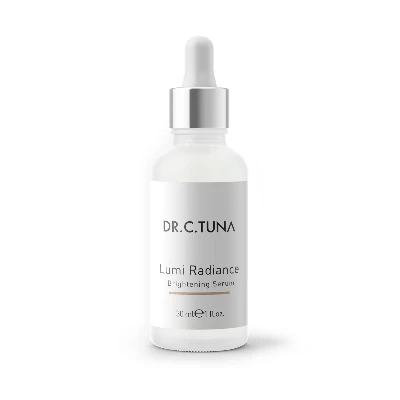
Skincare
£11.00
Build the Complete Lumi Radiance Routine


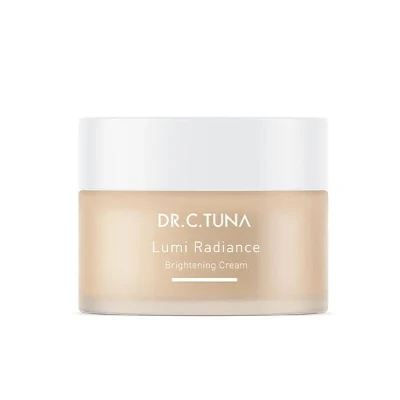


Morning Routine
- Cleanse with the Lumi Radiance Gel Cleanser
- Apply the Lumi Radiance Brightening Toner
- Apply the Lumi Radiance Brightening Serum
- Follow with the Lumi Radiance Brightening Cream
- Finish with a daily sunscreen — non-negotiable for a brightening routine
Evening Routine
- Cleanse thoroughly to remove sunscreen and makeup
- Apply the Lumi Radiance Brightening Toner
- Apply the Lumi Radiance Brightening Serum
- Follow with the Lumi Radiance Brightening Cream
- Twice a week, swap in the Hydrogel Eye Patches for a few extra minutes on the eye area
Beauty Tip
Apply serum to slightly damp skin rather than fully dry skin. Damp skin absorbs water-based serums more evenly, which helps active ingredients spread across the face instead of concentrating in a few spots.
Frequently Asked Questions
How long does it take to see results from a brightening routine?
Most people notice an improvement in overall radiance within 2 to 4 weeks, with more visible evening of dark spots typically taking 6 to 8 weeks of consistent use.
Can I use a brightening serum every day?
Yes — the Lumi Radiance Brightening Serum is formulated for daily morning and evening use as part of a regular routine.
Do I still need sunscreen if I'm using brightening products?
Yes, always. Sun exposure is the main driver of new dark spots, so sunscreen is what protects the progress your routine is making.
What's the difference between dark spots and general dullness?
Dark spots are localised areas of extra pigment, usually from sun exposure or old blemishes. Dullness is more about slower cell turnover leaving older cells on the surface longer, affecting the whole face rather than specific spots.
Can this routine help with post-acne marks?
Brightening ingredients are commonly used to help fade the marks blemishes leave behind, though deep or long-standing marks may take longer to visibly improve than surface dullness.
What order should I apply these products in?
Cleanser, then toner, then serum, then cream — always lightest to heaviest texture, with sunscreen as the final step in the morning.
Is the eye area treated differently?
Yes — the eye area is thinner and more delicate, which is why the range includes a dedicated Eye Balm and Hydrogel Eye Patches rather than using the face serum right up to the lash line.
Will this routine work on all skin tones?
Uneven tone and dark spots affect all skin tones, and brightening routines are generally suitable for all of them — though very reactive or sensitive skin should introduce new products gradually.
Discussion