
The foundation brush versus sponge debate is one of the most common questions in makeup artistry. Both tools have devoted fans, but they create distinctly different finishes. Your choice depends on your skin type, desired coverage, and personal preference. In this guide, we'll break down the advantages of each tool so you can make an informed decision and achieve your best base every time.
Quick Answer
Both foundation brushes and sponges can deliver excellent results, but they excel in different ways. Brushes typically provide more precise application and full coverage, while sponges create a seamless, natural-looking finish. Your best choice depends on your skin type—brushes work well for detailed work and oily skin, while sponges suit sensitive skin and those seeking a lightweight, blended finish.
Find Your Perfect Foundation Match
Choosing the right foundation shade is just as important as selecting the right application tool. Our virtual try-on tool lets you see how different foundation shades and finishes look on your unique skin tone before you commit. Experiment with various options and find your ideal match in seconds.
01 - Virtual Try-On
See It On Your Face
Before You Buy It
Try hundreds of Farmasi lipsticks, foundations, eyeshadows and more live on your face via camera or photo. No more guessing. No more returns.
- Real-time camera try-on
- 500+ Farmasi shades available
- Share your look instantly
Foundation Brush: Precision and Control
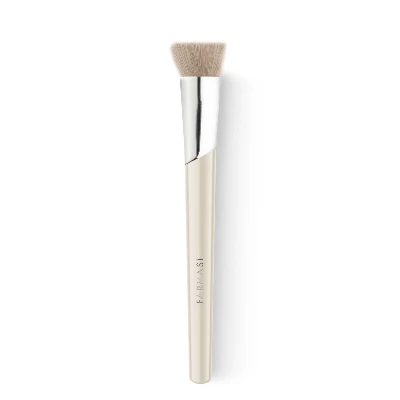
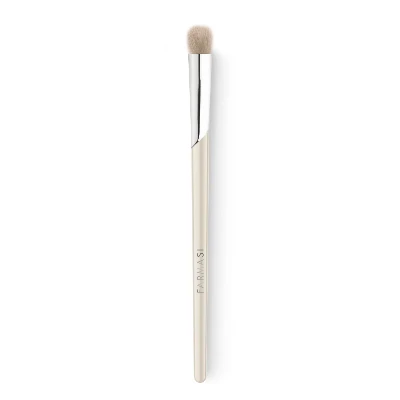
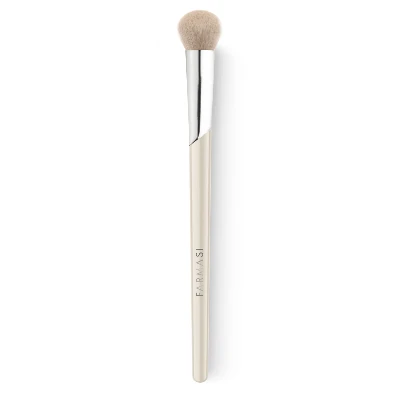
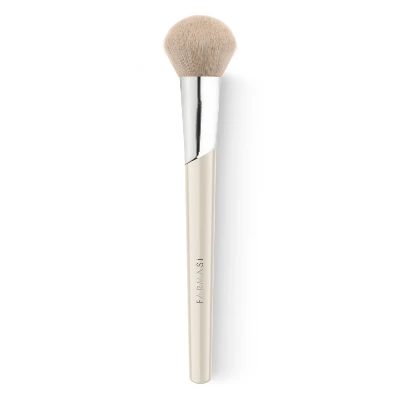
A quality foundation brush offers unmatched precision and control when applying base makeup. The bristles—whether synthetic or natural—allow you to deposit product exactly where you need it, making brushes ideal for targeted coverage on problem areas like blemishes or redness. Many makeup professionals prefer brushes because they enable you to build coverage gradually, layering product for a customized finish.
Brushes also tend to use foundation more efficiently, as the bristles grip the product and distribute it evenly across the skin. This means you may need less product overall, which can extend the life of your foundation. Additionally, brushes work particularly well for those with oily or combination skin, as they can be controlled to avoid over-application in T-zone areas.
Makeup
£8.90
Beauty Sponges: Seamless Blending and Natural Finish
Beauty sponges have revolutionized foundation application by delivering a naturally blended, second-skin finish that many find hard to achieve with brushes alone. The bouncy texture of a damp sponge gently presses foundation into the skin rather than dragging it across the surface, creating a flawless, airbrushed look. Sponges work by absorbing excess product while distributing what remains evenly, which helps prevent a heavy or cakey appearance.
Sponges are particularly beloved by those with sensitive or dry skin, as the patting motion is gentler than brush strokes. They also excel at reaching delicate areas like around the eyes and along the jawline. The damp sponge technique—using a moistened rather than dry sponge—has become a staple in professional makeup application because it enhances blending and creates a more natural, skin-like finish with minimal visible application marks.
Coverage and Finish Comparison
When it comes to coverage levels, brushes and sponges have different strengths. Brushes allow for buildable, full coverage that can range from light to heavy depending on how much product you apply and how many layers you use. They're excellent for achieving a polished, matte finish and for targeting specific areas that need extra coverage. The bristles create a more controlled application, making it easier to avoid over-applying in some areas while under-applying in others.
Sponges excel at creating an even, natural-looking coverage that often appears more like skin than makeup. They're ideal for medium coverage and blend seamlessly into the skin's texture. If you prefer a dewy, skin-like finish, a sponge is typically your best bet. However, if you're aiming for a full-glam, heavily contoured look, a brush may give you more control and opacity. Many makeup artists actually use both tools—a brush for precision work and a sponge for final blending and buffing.
Skin Type Considerations
Your skin type plays a crucial role in determining which tool will work best for you. Those with oily or acne-prone skin often find that foundation brushes provide better control, allowing them to apply product strategically without over-saturating the face. Brushes also tend to show fewer visible application marks, which can be an issue on textured or congested skin.
For dry or sensitive skin, sponges are often the preferred choice. The gentle dabbing motion minimizes irritation, and the sponge's ability to blend seamlessly helps avoid emphasizing dry patches or textural concerns. If you have combination skin, you might experiment with using a brush for the T-zone and a sponge for drier areas, or you could use one tool throughout but adjust your technique to suit different zones. Testing both tools with your current foundation is the best way to discover which feels most comfortable and delivers your desired finish.
Hygiene and Maintenance
Both brushes and sponges require regular cleaning to maintain hygiene and product performance. Foundation brushes should be cleaned weekly with a gentle cleanser or brush-specific cleaning solution to remove product buildup. Proper cleaning extends brush life and prevents bacteria from accumulating in the bristles, which can lead to breakouts.
Beauty sponges require even more frequent cleaning—ideally after each use—since they absorb moisture and bacteria more readily than brushes. Most sponges can be washed with a mild soap and warm water, or you can invest in a sponge-specific cleaner. It's also recommended to replace sponges every three months, as they deteriorate with use and can harbor bacteria even with regular washing. Quality brushes, when maintained properly, can last for years, making them a more economical choice in the long run despite their higher initial cost.
Explore Our Foundation & Brush Collection
Frequently Asked Questions
Can I use a foundation brush on wet or damp skin?
While brushes are primarily designed for dry skin application, some people do use them with slightly damp skin for a sheer finish. However, sponges are specifically designed to work with damp skin and will give you better results. If you want to use a brush on damp skin, use a light hand and build coverage gradually.
Is it better to use a sponge with wet or dry application?
The damp sponge technique is widely preferred by makeup artists because moistened sponges blend foundation more seamlessly and create a more natural finish. A damp sponge also uses less product while achieving better coverage. However, some people prefer dry sponge application for heavier coverage. Experiment to find what works best for you.
Can I use a foundation brush and sponge together?
Absolutely! Many makeup professionals use both tools in a single application. You might apply foundation with a brush for precise coverage, then use a damp sponge to blend and bounce out any visible brush strokes. This combination approach often delivers the best of both worlds—precision and seamless blending.
Do brushes work better for contouring with foundation?
Yes, brushes are generally superior for contouring and detailed work because they offer precise control and allow you to apply product exactly where you want it. Sponges can work for contouring, but they may require more effort to create sharp lines and defined shadows.
How do I know which tool is right for my skin?
The best way to determine your ideal tool is to test both with your current foundation. Consider your skin type, desired finish (dewy vs. matte), and coverage needs. If possible, visit a makeup counter or beauty retailer where you can try both tools before purchasing.
Discussion