
Dark spots and hyperpigmentation can be frustrating, making our skin look uneven and dull. Whether it's from sun exposure, post-acne marks, or hormonal changes, these discolorations are a common skin concern. But achieving a radiant, uniform complexion is within reach! This guide will demystify how these spots form and walk you through building a powerful, step-by-step skincare routine designed to visibly reduce dark spots, prevent new ones, and unveil your brightest, most even-toned skin yet.
Quick Answer
Dark spots and hyperpigmentation result from excess melanin production, often triggered by sun exposure, inflammation (like acne), or hormonal changes. To reduce them, consistently use broad-spectrum SPF daily, incorporate ingredients like Vitamin C, niacinamide, and gentle exfoliants into your routine, and maintain a consistent, protective skincare regimen. Patience and prevention are key to achieving brighter, more even-toned skin.
Get a Personalized Skin Analysis with Farmasi SkinCheck
Curious about the specific needs of your skin? Our AI-powered SkinCheck tool can analyze your skin's condition, identify key concerns like dark spots, and recommend a personalized routine tailored just for you. Get expert insights from the comfort of your home and start your journey to a clearer complexion.
03 - Smart Skin Diagnosis
Know Your Skin.
Transform Your Routine.
Farmasi's AI skin scanner analyses your skin type, hydration levels, concerns and more, then recommends the exact Dr. C. Tuna products your skin needs.
- 15+ skin parameters analysed
- Dr. C. Tuna product matching
- 100% private - no data stored
Understanding Dark Spots & Hyperpigmentation
Dark spots and hyperpigmentation are common skin concerns characterized by patches of skin becoming darker than the surrounding areas. This darkening is due to an overproduction of melanin—the pigment responsible for skin color—by specialized cells called melanocytes.
Several factors can trigger this excess melanin:
* UV Exposure: Sun exposure is the most common culprit. UV radiation stimulates melanocytes to produce more melanin as a protective response, leading to sunspots or age spots.
* Post-Inflammatory Hyperpigmentation (PIH): This occurs after skin trauma or inflammation, such as acne breakouts, cuts, or eczema. As the skin heals, it can leave behind a darkened patch.
* Hormonal Changes: Melasma, often appearing as symmetrical patches on the face, is linked to hormonal fluctuations, commonly seen during pregnancy (melasma gravidarum) or with the use of birth control pills.
* Medications & Medical Conditions: Certain medications or underlying health conditions can also contribute to hyperpigmentation.
Understanding the root cause of your dark spots is the first step towards effectively addressing them and building a targeted skincare routine.
Key Ingredients to Seek Out for Even Skin
When building your routine to tackle dark spots and hyperpigmentation, specific ingredients stand out for their ability to target melanin production and promote cell turnover. Look for formulations that include these powerhouses:
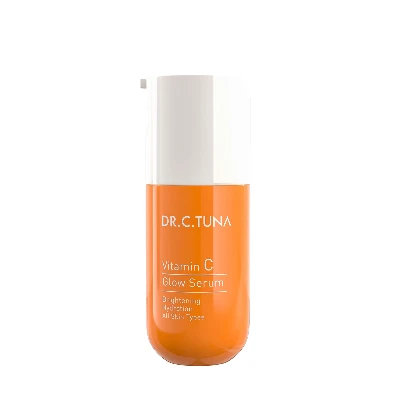
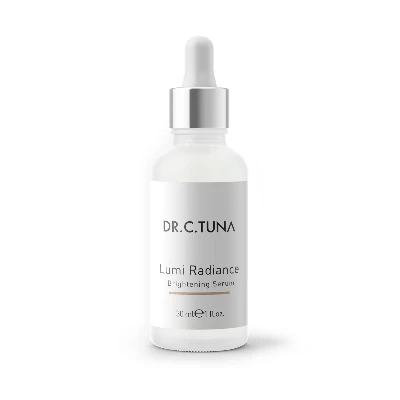
* Vitamin C (Ascorbic Acid): A potent antioxidant that helps brighten the skin, inhibit melanin production, and protect against environmental damage. It can contribute to a more radiant complexion.
* Niacinamide (Vitamin B3): This versatile ingredient can help reduce the transfer of melanin to skin cells, soothe inflammation, and improve skin barrier function, making it beneficial for various types of hyperpigmentation.
* Alpha Hydroxy Acids (AHAs): Ingredients like glycolic acid and lactic acid gently exfoliate the skin's surface, helping to shed pigmented cells and reveal fresher, brighter skin underneath.
* Retinoids (Vitamin A derivatives): Retinol and its derivatives can accelerate cell turnover, helping to push new, unpigmented cells to the surface and improve the appearance of existing dark spots over time. They also support overall skin texture and tone.
* Sunscreen (Broad-Spectrum SPF): While not an active treatment ingredient, daily, consistent use of a broad-spectrum SPF 30 or higher is non-negotiable for preventing new dark spots and stopping existing ones from getting darker. It's the ultimate preventative measure.
The Golden Rule: Consistent Sun Protection
No matter how many brightening serums you use, if you're not diligently protecting your skin from the sun, your efforts to reduce dark spots may be undermined. UV radiation is the primary trigger for melanin production and can cause existing spots to deepen in color, making them even more stubborn.
Make daily broad-spectrum sunscreen your non-negotiable step. Choose a formula with an SPF of 30 or higher, and apply it generously as the last step in your morning routine, even on cloudy days or when you're indoors near windows. Reapply every two hours when exposed to direct sunlight, or after swimming or sweating.
Beyond sunscreen, incorporate other sun-safe habits into your lifestyle: seek shade, especially between 10 AM and 4 PM, and wear wide-brimmed hats and UV-protective clothing when spending extended time outdoors. Prevention is truly the most effective treatment for hyperpigmentation.
Your Step-by-Step Routine for Brighter, Even Skin
- ☀️ Morning — Cleanse with a gentle, non-stripping cleanser
- ☀️ Morning — Apply a Vitamin C serum for antioxidant protection and brightening
- ☀️ Morning — Moisturize with a lightweight, hydrating formula
- ☀️ Morning — Finish with broad-spectrum SPF 30+, the most critical step for prevention
- 🌙 Evening — Double cleanse if wearing makeup or heavy sunscreen
- 🌙 Evening — 2-3x/week: exfoliate with an AHA serum or retinoid to encourage cell turnover
- 🌙 Evening — On other nights: apply a niacinamide serum to reduce melanin transfer
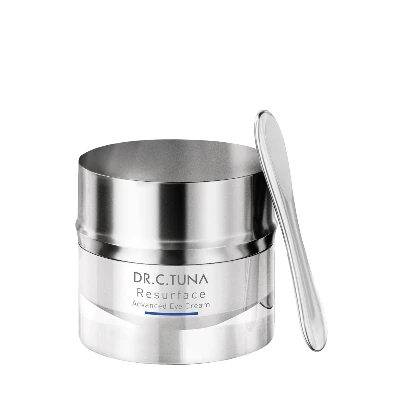
- 🌙 Evening — Gently pat on an eye cream around the delicate eye area
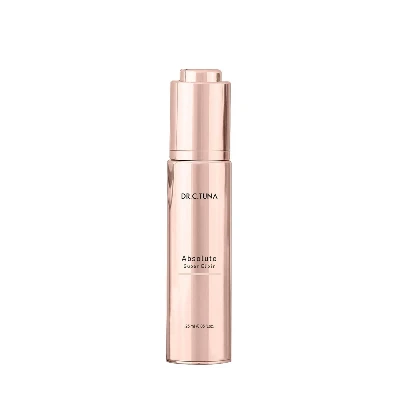
- 🌙 Evening — Finish with a richer moisturizer like Absolute Super Elixir to lock in hydration overnight
Complement Your Routine
Frequently Asked Questions About Dark Spots
How long does it take to fade dark spots?
Fading dark spots requires patience and consistency. Depending on the depth and type of hyperpigmentation, it can take anywhere from several weeks to several months to see significant improvement. New spots may fade faster than older, deeper ones. Consistent use of sun protection is crucial to prevent new spots and re-darkening.
Can makeup cause dark spots?
No, makeup itself does not typically cause dark spots. However, if you're experiencing breakouts due to makeup that clogs pores (acne mechanica) or if you're not properly removing makeup, the resulting inflammation can lead to post-inflammatory hyperpigmentation. Always ensure your makeup is non-comedogenic and cleanse your skin thoroughly every evening.
Is professional treatment necessary for hyperpigmentation?
For severe or stubborn hyperpigmentation, professional treatments like chemical peels, laser therapy, or microneedling performed by a dermatologist may be more effective. These treatments can accelerate the fading process. However, a consistent at-home routine focused on prevention and targeted ingredients can make a significant difference for many, especially for milder cases.
Can diet affect dark spots?
While diet is not a direct cause or cure for dark spots, a healthy, antioxidant-rich diet can support overall skin health, which may indirectly help with skin tone and repair. Foods rich in Vitamin C, E, and other antioxidants can protect against oxidative stress, which contributes to skin aging and damage.
Discussion