
Damaged hair doesn't have to be permanent. Whether your strands are weakened by heat styling, chemical treatments, or environmental stress, the right routine can restore hydration, elasticity, and shine. The key is understanding what your hair needs at each stage of recovery — and then delivering targeted care with products formulated to address those specific needs. This guide walks you through a complete repair routine designed to mend damaged hair from the inside out.
Quick Answer
Repairing damaged hair requires deep hydration, protein restoration, and consistent nourishment. A complete routine includes clarifying masks to remove buildup, intensive repair treatments to restore elasticity, reviving formulas to seal the cuticle, and leave-in conditioners to lock in moisture between washes. Most people see visible improvement in 2–3 weeks of consistent care.
Why Damaged Hair Needs a Targeted Repair Strategy
Hair damage occurs when the outer cuticle layer — your hair's protective shield — becomes raised, rough, or partially stripped away. This happens through heat exposure, chemical treatments, mechanical stress from brushing, or environmental factors like UV rays and pollution. When the cuticle is compromised, moisture escapes and protein leaks out, leaving strands dry, brittle, and prone to breakage.
Repair isn't a single step — it's a multi-phase process. Your damaged hair first needs clarification to remove buildup and restore texture. Then it requires deep hydration to plump the cortex and smooth the cuticle. Following that, intensive repair masks infuse proteins and polymers to rebuild structural integrity. Finally, nourishing treatments and leave-in products seal everything in place and protect against future damage. This layered approach addresses the root causes of damage rather than simply masking the symptoms.
Who Benefits Most From a Hair Repair Routine
If your hair feels dry, looks dull, tangles easily, breaks when you comb it, or has visible split ends, damage repair should be a priority. Those who regularly use heat tools, color-treat their hair, swim frequently, or live in dry climates are especially vulnerable to cumulative damage. Even naturally curly or textured hair — which has a harder time retaining moisture due to its structure — benefits enormously from targeted repair care.
The Dr. C. Tuna Hair series is designed for anyone committed to restoring their hair's health. Whether you're recovering from a damaging phase or maintaining previously repaired strands, this routine provides the hydration, protein, and protective nourishment your hair needs to feel strong and look radiant again.
The Science of Hair Repair: Key Ingredients That Work
The most effective hair repair formulas combine hydrating humectants — ingredients that draw moisture into the hair shaft — with protein binders that restore structural integrity. Humectants like glycerin and amino acids work alongside emollients such as oils and butters to create a moisture gradient that penetrates deep into damaged areas. Proteins like hydrolyzed keratin or silk amino acids temporarily fill microscopic gaps in the cuticle, restoring strength and elasticity.
Another critical category is conditioning polymers that smooth the cuticle surface and seal in moisture. These ingredients create a protective coating that prevents moisture loss between treatments. When combined with leave-in conditioners that extend care between wash days, this multi-layered approach creates lasting results. The best repair routines alternate intensive treatments with lighter, daily maintenance products — giving your hair recovery time while maintaining consistent nourishment.
Step 1 — Clarify and Hydrate the Hair Foundation
Damaged hair often accumulates product buildup, mineral deposits, and environmental pollution that prevent moisture penetration. If you skip clarification, even the most luxurious treatment masks cannot reach the cortex effectively — your conditioner sits on the surface rather than healing within. The first step of hair repair is removing these barriers so your hair can actually absorb the healing treatments that follow.
A clarifying mask that also hydrates serves a dual purpose: it gently removes buildup without stripping natural oils, then immediately replenishes moisture to prevent the dryness that follows cleansing. Look for formulas that combine mild cleansing agents with humectants and emollients, so your hair emerges soft and receptive rather than tight and squeaky. This prepares the cuticle to receive the deeper repair treatments in the steps ahead.
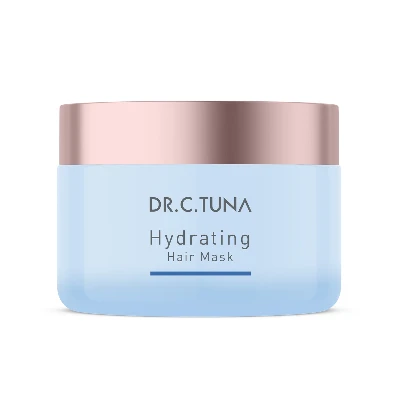
Dr C Tuna Hydrating Hair Mask, with its clarifying and hydrating properties, is the ideal foundation treatment for damaged hair entering a repair routine.
Hair Care
£13.35
Step 2 — Strengthen and Volumize the Hair Shaft
Once buildup is removed and hydration begins, your hair needs reinforcement. Damaged strands have lost structural proteins and elasticity, which causes them to feel limp, weak, and prone to breakage. This is where volumizing conditioners play a crucial role — they coat the hair shaft with conditioning polymers and proteins that temporarily restore density, shine, and body.
Volumizing formulas work by smoothing the cuticle so light reflects evenly (creating shine) and by depositing lightweight polymers that add substance without heaviness. For damaged hair, this step rebuilds the tactile quality of your strands — they feel thicker, stronger, and more manageable in your hands. The proteins in these formulas also begin the process of repairing micro-fractures in the hair structure. This step typically follows your clarifying mask and prepares your hair for the intensive repair phase.
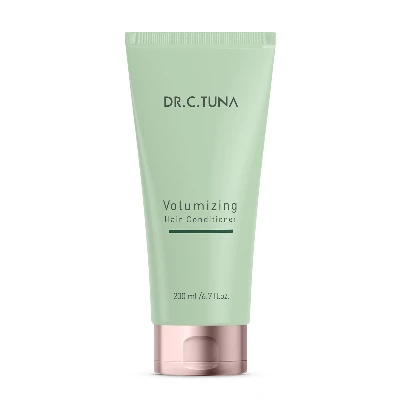
Dr C Tuna Volumizing Hair Conditioner, with its strengthening polymer and protein blend, is the ideal volumizing step for restoring body and resilience to weakened strands.
Hair Care
£10.68
Step 3 — Repair and Restore with Intensive Treatment
This is where the deepest healing happens. Intensive repair masks are concentrated formulas packed with amino acids, hydrolyzed proteins, and humectants designed to penetrate deep into the cortex and fill structural gaps that damage has created. These masks typically remain on the hair for 10–20 minutes, allowing active ingredients time to diffuse throughout the hair shaft rather than simply conditioning the surface.
Damaged hair's cuticle is porous and easily absorbs these active ingredients, which makes intensive masks especially effective during repair routines. The proteins in these treatments temporarily cross-link within the hair structure, restoring elasticity and strength that chemical treatments or heat have compromised. Many intensive masks also contain natural oils and butters that seal the cuticle, locking in moisture and creating a protective barrier against future damage. This step is the cornerstone of visible hair transformation — most people notice softer, shinier, more manageable hair after incorporating an intensive mask.
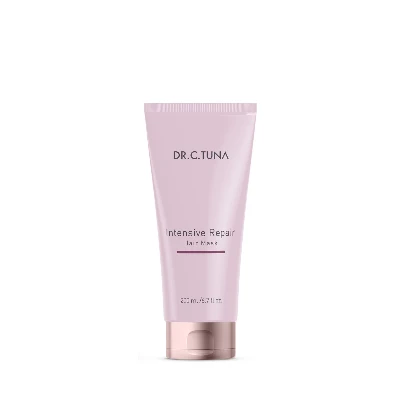
Dr. C. Tuna Intensive Repair Hair Mask, with its deep-penetrating amino acid and protein complex, is the ideal intensive treatment for restoring structural integrity to severely damaged strands.
Hair Care
£16.02
Step 4 — Revive and Seal the Hair Cuticle
After intensive treatment, your hair has absorbed significant moisture and protein — now it needs a protective seal. Reviving masks are lighter formulas than intensive treatments but highly concentrated in cuticle-smoothing ingredients and natural oils. They work by flattening the cuticle layer and depositing emollients that prevent moisture from escaping. This step is like applying a final protective coating after repair work is complete.
Reviving formulas typically contain ingredients like argan oil, coconut oil, or plant waxes that create a smooth surface and add luminosity. These treatments also often include antioxidants that protect against environmental stressors — UV rays, pollution, and free radicals that can cause oxidative damage to repaired hair. Using a reviving mask 1–2 times weekly maintains the benefits of your intensive treatments and keeps your hair feeling soft between deeper repair sessions. This step transforms how your hair looks and feels, adding visible shine and manageability.
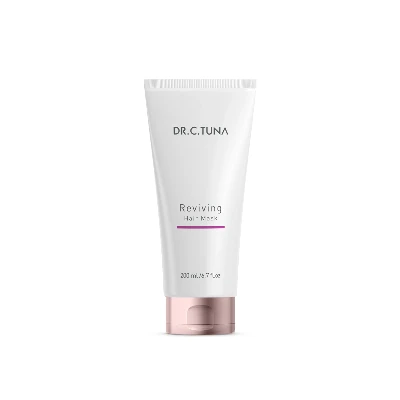
Dr. C. Tuna Reviving Hair Mask, with its cuticle-sealing plant oils and protective antioxidants, is the ideal reviving step for locking in repair benefits and adding luminous shine.
Hair Care
£11.00
Step 5 — Nourish Daily with Reviving Hair Oil
Hair repair doesn't stop after your mask treatments — it continues through daily maintenance. Leave-in oils and lightweight nourishing products extend the benefits of your weekly treatments and provide constant protection against moisture loss and environmental damage. Hair oil coats the cuticle, reflects light (creating shine), and prevents water from escaping the hair shaft. This daily nourishment is what transforms temporary improvements into lasting results.
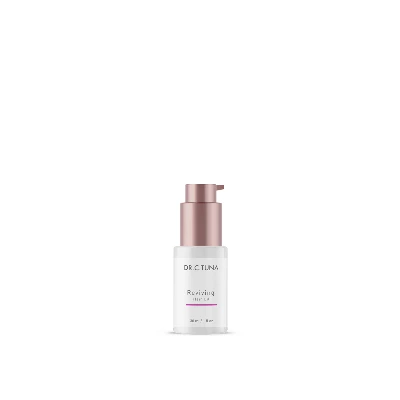
Reviving hair oils are particularly valuable because they combine emollient oils with antioxidant extracts that protect repaired hair from degradation. Applying oil to damp hair after shampooing helps seal in moisture from your conditioner. Using it on dry hair throughout the week adds smoothness and prevents flyaways and frizz. Many people find that consistent oil use reduces their need for frequent deep treatments because their hair remains hydrated and protected. This step bridges the gap between wash days and intensive treatments, maintaining momentum in your repair journey.
Dr. C. Tuna Reviving Hair Oil, with its nourishing plant oil base and antioxidant protection, is the ideal daily maintenance step for locking in moisture and preventing new damage.
Hair Care
£11.00
Step 6 — Maintain and Protect with a Complete Hydrating Bundle
True hair repair is a commitment, not a quick fix. Many people find that combining multiple Dr. C. Tuna products into a cohesive system delivers superior results compared to using products individually. A hydrating bundle approach means your clarifying, conditioning, and repair steps work synergistically — each product is formulated to complement the others and build upon the benefits of previous steps.
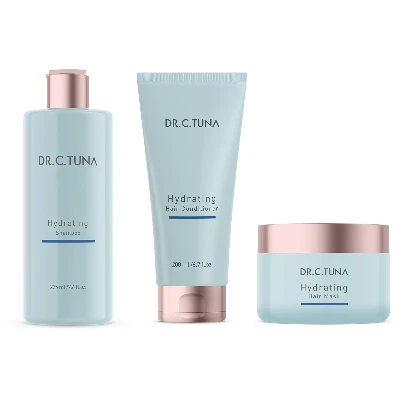
Using a coordinated system also ensures consistency and eliminates guesswork about which products pair well together. The Hydrating Hair Care Bundle is designed so that every step of your routine contains complementary ingredients and active complexes that amplify each other's effectiveness. This consistency means your hair experiences sustained, cumulative benefit rather than the mixed signals it might receive from random product combinations. Many users report that switching to a complete system dramatically accelerates visible improvements in hair texture, strength, and appearance.
The Hydrating Hair Care Bundle, with its coordinated formulas designed for complete repair and maintenance, is the ideal all-in-one solution for committed hair restoration.
Hair Care
£35.60
Your Complete Hair Repair Routine at a Glance
- ☀️ 1–2x Weekly — Begin with clarifying mask to remove buildup and hydrate
- → Follow with volumizing conditioner to strengthen and restore body
- → Apply intensive repair mask for 15–20 minutes to rebuild structure
- → Finish with reviving mask to seal and add shine
- 🌙 Daily (Post-Wash) — Apply reviving hair oil to damp hair to lock in moisture
- 📅 Maintenance — Incorporate reviving oil 2–3x weekly on dry hair for protection
- ✨ Timeline — Expect visible softness in 1–2 weeks; significant shine and manageability in 3–4 weeks
The Complete Hair Collection
Common Questions About Hair Repair
How long does it take to see results from a hair repair routine?
Most people notice softer, more manageable hair within 1–2 weeks of consistent care. Visible improvements in shine and strength typically appear by week 3–4. Significant changes in hair texture and reduced breakage may take 6–8 weeks, as this reflects new hair growth that emerges healthier from the scalp. Patience and consistency are key — damaged hair repair is a gradual process that builds over time.
Can I use all these products every week, or will that be too much?
Most people benefit from using the full routine 1–2 times weekly, then incorporating maintenance steps (like the reviving oil) on non-treatment days. Using intensive masks more than twice weekly may lead to product buildup for some hair types. Start with one complete cycle per week and adjust based on how your hair responds — if it feels heavy or weighted down, reduce frequency. If it feels dry, increase to twice weekly. Your hair will tell you what it needs.
Should I still use regular conditioner, or do these products replace it?
The Dr. C. Tuna routine products are designed to work together as a complete system, replacing your need for additional products. The volumizing conditioner serves as your everyday conditioner on non-treatment days, while the intensive and reviving masks provide deeper nourishment weekly. This streamlined approach reduces product complexity and ensures all your hair's moisture and repair needs are met with formulas designed to complement each other.
Can I use this routine if my hair is only mildly damaged?
Absolutely. The Dr. C. Tuna routine is beneficial for all levels of damage, from mild dryness to severe breakage. For mildly damaged hair, you might use the full routine once weekly rather than twice, or skip the intensive mask and focus on the hydrating mask and reviving treatments. The volumizing conditioner and reviving oil are gentle enough for daily use on all hair types and can serve as preventive maintenance to stop mild damage from progressing.
What if my scalp gets oily while my ends stay dry?
This is common with damaged hair. Focus mask and oil treatments on the mid-lengths and ends, avoiding the scalp and roots where natural oils are most concentrated. You can use the clarifying hydrating mask on your entire scalp and hair, then apply the volumizing conditioner only to mid-lengths and ends. The intensive and reviving masks should always be applied below the roots. This targeted approach allows you to repair damaged lengths while keeping your scalp and roots balanced.
Discussion