
Choosing the right hair care regimen can feel overwhelming, especially with the variety of options available from Dr. C. Tuna. Whether your hair feels dry, brittle, and in need of deep moisture, or flat, fine, and desperate for lift, selecting the correct formula is essential. In this guide, we explore the core differences between hydrating and volumizing treatments. By understanding your specific hair type and its current condition, you can build a routine that supports healthier, more vibrant-looking locks every single day. Let us break down exactly how to determine which path is right for your unique hair profile.
Quick Answer
Choose a hydrating line if your hair is dry, frizzy, or prone to breakage, as these formulas add moisture and improve elasticity. Opt for a volumizing line if your hair is fine, limp, or flat, as these products are designed to lift the hair fiber without weighing it down. Combining the two appropriately—or alternating them—can often provide the best results for combination hair types.
Understanding Your Hair Needs
Your hair care journey begins with an honest assessment of your hair type. Dry hair often appears dull, feels rough to the touch, and may tangle easily due to lack of moisture. Hydrating products work by depositing humectants and oils that smooth the cuticle. Conversely, fine or limp hair often lacks structural integrity at the root. Volumizing formulas focus on lightweight ingredients that increase spacing between strands to create a fuller appearance. Identifying your main concern—moisture retention versus structural density—is the key to unlocking your hair potential.
The Power of Hydration
Hydrating products are essential for hair exposed to environmental stressors like heat styling or seasonal changes. By focusing on moisture replenishment, these formulas help hair appear softer and more manageable. Many people find that consistent use of hydrating shampoo and conditioner helps reduce the look of flyaways and split ends. If you have thick, curly, or heat-damaged hair, a dedicated hydration routine acts as a protective barrier, helping to maintain shine and suppleness throughout the day. Using deep conditioning treatments periodically can further enhance these results.
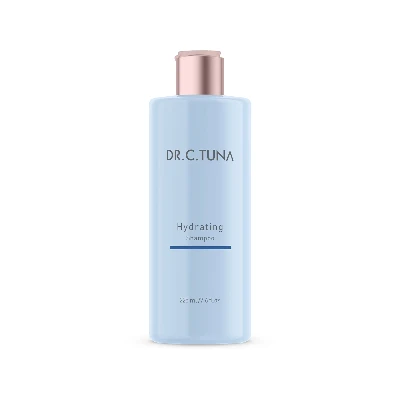
Hair Care
£16.02
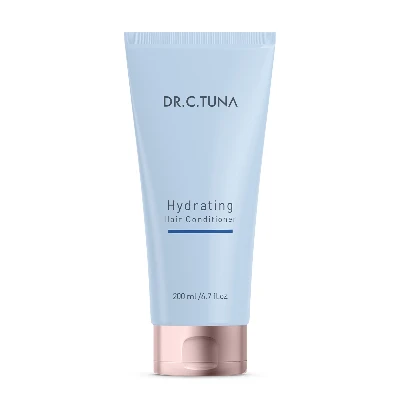
Hair Care
£10.68
Achieving Effortless Volume
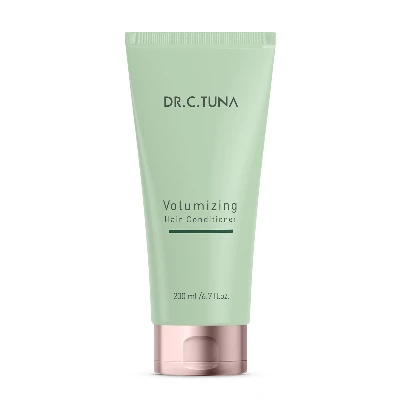
Volumizing products are engineered differently; their goal is to provide body without heavy residue that might flatten fine strands. When you select a volumizing range, you are opting for technology that encourages lift starting from the root. This is particularly beneficial for those with straight, thin hair that tends to lose shape shortly after styling. While hydration is crucial, over-moisturizing fine hair can sometimes make it appear heavy. Therefore, balancing your cleansing routine with lighter, volumizing agents can provide the best of both worlds.
Expert Tips for Customizing Your Routine
You do not necessarily have to stick to just one category. Many individuals find success by mapping their care to different parts of the hair. For example, you might focus a hydrating hair mask only on the mid-lengths and ends where dryness is most prevalent, while using a lightweight shampoo to keep the scalp area clean and volumized. This customized approach ensures your roots are lifted while your ends remain nourished and protected. Always remember to rinse thoroughly, as leftover product can weigh down even the healthiest hair.
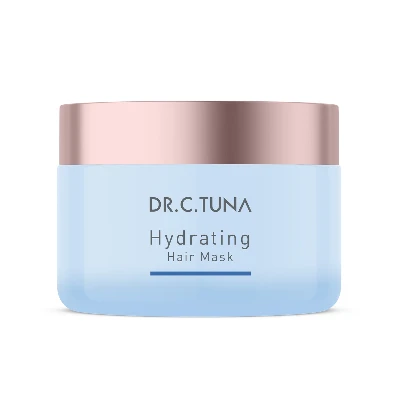
Hair Care
£13.35
Recommended Dr. C. Tuna Essentials
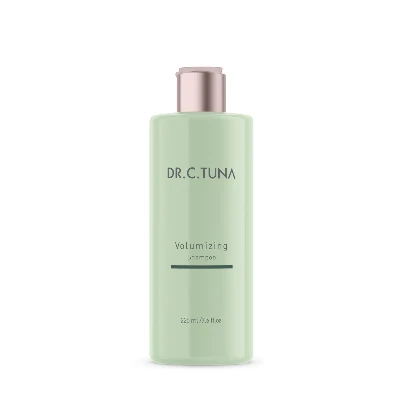
Frequently Asked Questions
Can I use both hydrating and volumizing products at once?
Yes, many people achieve great results by using a volumizing shampoo at the roots and a hydrating conditioner only on the ends.
How often should I use a hair mask?
For most hair types, using a hydrating mask once a week is sufficient to support moisture balance without over-saturating the hair.
Does fine hair need hydration?
Yes, all hair types need hydration, but fine hair requires lightweight formulas that will not cause it to look flat or greasy.
Discussion