
Even the most seasoned makeup enthusiasts occasionally miss the mark when picking a foundation shade. You might achieve a perfect match in the store only to find it looks orange or chalky under natural light. This frustration often stems from subtle mistakes in application, lighting, or understanding your unique skin undertones. In this guide, we dive deep into the most common foundation blunders and provide practical solutions to help you achieve that seamless, second-skin finish. Whether you are dealing with oxidation issues or seasonal shifts in skin tone, mastering these fixes is the key to elevating your complexion game with Farmasi.
Quick Answer
If your foundation looks off, you likely have an undertone mismatch or oxidation issues. To fix this, always test shades on your jawline in natural daylight rather than artificial store lighting. If your product oxidizes, try a primer to create a barrier between your skin oils and the pigment. Finally, remember that your skin tone changes with the seasons—adjusting your shade in summer versus winter is a standard practice for maintaining a natural appearance.
Still Unsure? Try Our Shade Finder
Let technology take the guesswork out of your routine. Our AI-powered tool analyzes your skin preferences to recommend your ideal match instantly.
02 - Shade Finder
Your Perfect Foundation
Shade. Guaranteed.
Upload a photo and Farmasi's AI analyses your skin tone and undertone, then recommends the exact foundation, concealer and powder shades made for you.
- Skin tone + undertone analysis
- Matched to 200+ Farmasi shades
- Free, instant, no sign-up needed
The Undertone Trap
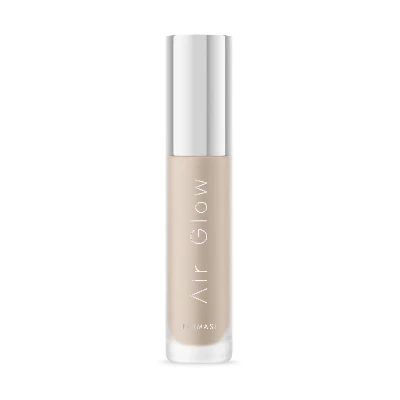
One of the most frequent mistakes is focusing solely on the depth of the shade while ignoring undertones. If you are neutral but choose a warm, yellow-leaning formula, your skin may appear sickly or muddy. Conversely, a cool-toned foundation on warm skin can look ashen or gray. Always determine if your veins appear blue (cool), green (warm), or a mix (neutral). If you find the right depth but the wrong vibe, it is time to pivot to a shade designed for your specific color profile. For those who want a radiant, skin-like finish, our Air Glow Foundation C02 offers a versatile undertone that suits many complexions.
Makeup
£23.14
Battling Oxidation and Discoloration
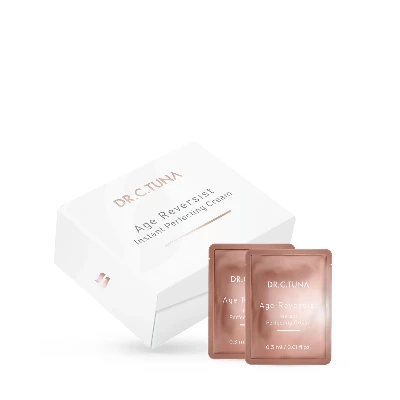
Does your foundation start the day perfect but turn orange by lunch? This is called oxidation—where the product reacts with the oils on your skin or the air itself, causing the pigment to darken. To combat this, ensure your face is well-prepped with a quality base. Using a product like the Dr. C. Tuna Age Reversist Instant Perfecting Cream can help smooth the surface and provide a better canvas, reducing the likelihood of color shifts. Additionally, setting your base with a light powder can help lock the shade in place and prevent oils from destabilizing the pigments.
The Lighting Myth
Testing foundation under the harsh fluorescent lights of a bathroom or a retail aisle is a recipe for disaster. These lights often skew yellow or blue, masking the true color of the product against your skin. The only true way to gauge a match is in natural sunlight. Try applying a small swatch to your jawline—not your hand—and step outside or stand near a window. You want the foundation to vanish into your skin tone. If you see a stark line of demarcation, it is time to try a different shade.
Seasonal Shifts
Your skin is not static. Throughout the year, sun exposure changes the depth of your complexion, meaning your winter shade is likely too light for July, and your summer tan will make your go-to winter shade look ghostly. Instead of forcing one bottle to work year-round, consider keeping two shades in your vanity to mix and match. This allows you to customize your coverage perfectly as the seasons transition, ensuring your neck and face always look uniform.
Complete Your Routine

Frequently Asked Questions
Why does my foundation look different in the mirror than it does outside?
Lighting is the main culprit. Artificial light creates color casts that do not exist in daylight, where you see the true interaction between your skin and the pigment.
Should I match my foundation to my face or my neck?
Always match to your neck or chest. Your face is often slightly lighter or darker due to sun exposure or redness, so matching the neck ensures a seamless blend.
Can I mix two foundation shades together?
Absolutely. Mixing shades is a professional trick to achieve a bespoke match that accounts for seasonal changes in your skin tone.
Discussion