
Vitamin C is one of the most researched skincare ingredients for good reason—it neutralises free radicals, promotes collagen synthesis, and delivers visible brightening within weeks. But applying vitamin C serum incorrectly can limit its potency or irritate sensitive skin. This guide walks you through the science behind vitamin C efficacy and shows you how to build a complete brightening routine that maximises results. Whether you're targeting uneven tone, tired-looking skin, or early signs of ageing, you'll learn exactly when, how, and what to pair with your vitamin C serum for radiant, luminous skin.
Quick Answer
Apply vitamin C serum to clean, dry skin every morning, following with a light moisturiser and SPF 30+. Use 2–3 drops, gently patting (never rubbing) into the face and neck. Pair it with antioxidant supplements and consistent sun protection to maximise brightening and prevent oxidative damage. Results typically appear within 4–6 weeks of daily use.
Personalise Your Brightening Routine with SkinCheck
Not sure if your current routine is delivering maximum results? SkinCheck—our AI-powered skin analysis tool—evaluates your skin tone, texture, and signs of pigmentation to recommend targeted products and usage adjustments. Upload a selfie and receive a personalised brightening plan based on your skin type, concerns, and goals.
03 - Smart Skin Diagnosis
Know Your Skin.
Transform Your Routine.
Farmasi's AI skin scanner analyses your skin type, hydration levels, concerns and more, then recommends the exact Dr. C. Tuna products your skin needs.
- 15+ skin parameters analysed
- Dr. C. Tuna product matching
- 100% private - no data stored
Why Vitamin C Is the Gold Standard for Brightening
Vitamin C (L-ascorbic acid) is a potent antioxidant that works at the cellular level to inhibit melanin production, fade hyperpigmentation, and neutralise free radicals that accelerate skin ageing. It also acts as a cofactor in collagen synthesis, meaning your skin can't produce firm, plump collagen without adequate vitamin C—which is why serums deliver visible lifting alongside brightening. Studies show that 8–12 weeks of consistent vitamin C use can measurably improve skin luminosity, reduce the appearance of dark spots, and enhance overall radiance. The key to results is stability, concentration (look for 10–20% L-ascorbic acid), and pairing it with complementary products that support skin barrier health and sun protection.
Who Benefits Most from a Vitamin C Routine
Anyone struggling with dull, uneven tone, post-inflammatory hyperpigmentation, or early signs of fine lines will see benefits from a dedicated vitamin C regimen. Those with oily or combination skin often prefer vitamin C serum over heavier creams, as serums absorb quickly and don't leave a greasy finish. If you spend significant time in the sun, under fluorescent lights, or in polluted environments, vitamin C is especially valuable—it neutralises environmental damage before it triggers visible ageing. Even those with sensitive skin can incorporate vitamin C, though starting with lower concentrations (5–8%) or fewer applications per week allows the skin to acclimate without irritation or redness.
The Science of Vitamin C Stability and Absorption
Vitamin C is notoriously unstable once exposed to air, light, or heat—which is why serums come in opaque, airtight bottles and should be stored away from direct sunlight. L-ascorbic acid (the most research-backed form) requires a pH below 3.5 to penetrate the skin barrier effectively; formulas outside this range may sit on the surface without delivering brightening benefits. When vitamin C is properly stabilised and formulated at the right pH, it crosses the stratum corneum and accumulates in living epidermal and dermal layers, where it triggers antioxidant and collagen-boosting activity for up to 72 hours after application. This is why consistent morning application is more effective than sporadic use—your skin builds a protective reservoir of vitamin C that defends against daily oxidative stress.
Step 1 — Apply Your Vitamin C Serum for Cellular Brightening
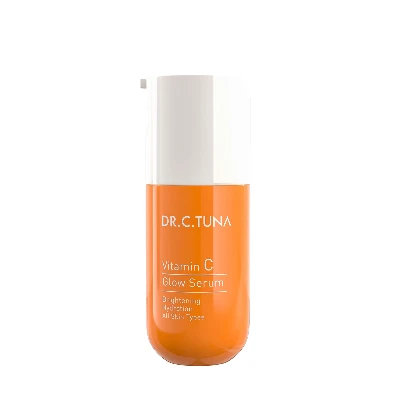
The morning is the ideal time to apply vitamin C serum because your skin naturally regenerates overnight and is most receptive to active ingredients at dawn. Vitamin C's antioxidant power works best when applied to clean skin with no competing actives or oils—it needs direct contact with the stratum corneum to penetrate and reach viable epidermis where collagen-producing fibroblasts reside. After cleansing and while skin is still slightly damp (but not dripping wet), dispense 2–3 drops onto your fingertips and gently press—never rub or massage—across the entire face and décolletage. Dr. C. Tuna Vitamin C Glow Serum, with its stabilised vitamin C complex and optimal pH formulation, is the ideal serum for triggering visible brightening and supporting your skin's natural collagen architecture.
Skincare
£33.38
Step 2 — Support Skin Health from Within with Targeted Nutrition
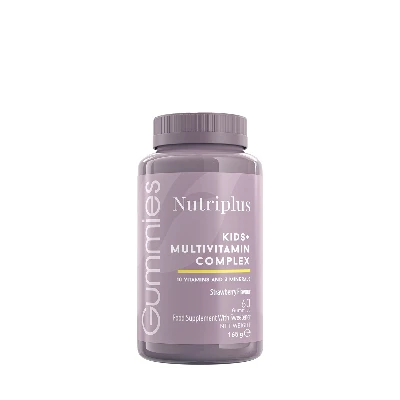
Topical vitamin C is powerful, but skin radiance also depends on systemic nutrient status—your skin reflects your internal health. B vitamins, vitamin A, zinc, and minerals support skin cell turnover, sebum regulation, and the immune response that keeps skin clear and glowing from within. Children and adults alike benefit from consistent micronutrient intake, and gummies offer a practical, enjoyable way to fill nutritional gaps that diet alone may not cover. A daily multivitamin complex that includes B-complex vitamins, vitamin D, and trace minerals complements your topical brightening routine by ensuring your fibroblasts and keratinocytes have the cofactors they need to respond to vitamin C serum and build healthy skin architecture. Nutriplus Gummies—Multivitamin Complex for Kids, with its balanced micronutrient profile and bioavailable forms, is the ideal daily supplement to amplify the brightening and anti-ageing benefits of your skincare routine.
Nutriplus
£24.48
Step 3 — Boost Vitamin C Intake with Bioavailable Supplements
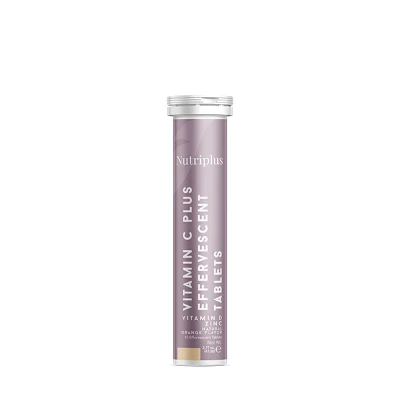
While topical vitamin C is absorbed transdermally, dietary and supplemental vitamin C also contributes to skin health by supporting collagen cross-linking, antioxidant enzyme systems, and immune barrier function. Water-soluble vitamin C requires consistent replenishment because the body cannot store it—daily intake ensures your fibroblasts have adequate substrate to synthesise new collagen and resist oxidative damage. Effervescent formulas offer superior bioavailability compared to tablets or capsules because they dissolve rapidly and are absorbed in the stomach and small intestine with minimal degradation. An effervescent vitamin C supplement that delivers a therapeutic dose (500–1000 mg) once or twice daily complements your serum application and ensures your skin has both topical and systemic protection against free radical damage. Nutriplus Vitamin C Effervescent Tablets, with their rapid-absorption formulation and optimised dose, are the ideal daily supplement to sustain collagen synthesis and amplify the brightening benefits of your topical vitamin C serum.
Nutriplus
£13.35
Your Complete Vitamin C Routine at a Glance
- ☀️ Morning — Cleanse skin → Apply Dr. C. Tuna Vitamin C Glow Serum to damp face → Wait 1 minute → Apply moisturiser and SPF 30+
- 🌙 Evening — Cleanse skin → Apply gentle toner or hydrating essence → Apply moisturiser → Optional: retinol or peptide serum on non-vitamin C days
- 📅 Daily — Take Nutriplus Vitamin C Effervescent Tablet with breakfast (500–1000 mg dose)
- 🎯 Daily (optional for children/families) — Take Nutriplus Gummies—Multivitamin Complex as recommended on label
- ⚠️ Important — Always follow vitamin C serum with SPF 30+ in the morning; never layer vitamin C with niacinamide or retinol in the same step
- 📈 Timeline — Expect initial brightening (more luminous skin tone) within 2 weeks; visible fade in dark spots and improved firmness within 4–8 weeks
The Complete Vitamin C Collection
Vitamin C Serum & Brightening Routine: Frequently Asked Questions
Can I use vitamin C serum at night instead of the morning?
Vitamin C is most effective in the morning because it primes your skin's antioxidant defences against daytime UV and environmental stressors. However, if morning application causes sensitivity, once-daily evening use is acceptable—just ensure you follow with a light moisturiser. Do not layer vitamin C with retinol in the same step, as both are potent actives that may overwhelm the skin barrier.
How long does it take to see brightening results?
Most people notice improved skin luminosity and a more even tone within 2–3 weeks of daily vitamin C serum application. Visible fading of hyperpigmentation, dark spots, and post-acne marks typically appears after 4–8 weeks of consistent use. Results are cumulative, so patience and adherence matter—skipping applications or using the serum sporadically delays visible brightening.
Can I layer vitamin C serum with other actives like niacinamide or AHA?
Avoid layering vitamin C with niacinamide in the same step—the combination can cause temporary flushing or irritation in sensitive skin. Do not apply AHA or BHA exfoliants on the same morning as vitamin C serum; space these actives 12 hours apart. Vitamin C pairs well with antioxidants (like ferulic acid or vitamin E), sunscreen, and gentle hydrating ingredients. Consider alternating exfoliants to evening use and reserving morning application for your vitamin C serum alone.
Is vitamin C serum suitable for sensitive or acne-prone skin?
Yes, but start with a lower concentration (5–8%) or use it every other morning initially to allow your skin barrier to acclimate. Vitamin C's antioxidant and anti-inflammatory properties can actually support acne-prone skin by reducing sebum oxidation and calming post-inflammatory redness. If irritation or tingling persists after two weeks, reduce frequency to 2–3 times weekly or discontinue and consult a dermatologist.
Do I really need to take vitamin C supplements if I'm using a serum?
Topical vitamin C and systemic vitamin C serve complementary roles. A serum delivers concentrated brightening and collagen-supporting activity at the skin surface, while dietary or supplemental vitamin C ensures your fibroblasts have the substrate to synthesise new collagen and your immune system can repair oxidative damage. For optimal brightening and anti-ageing results, combining both topical and systemic vitamin C is most effective—especially if sun exposure or environmental stress is high.
Discussion